
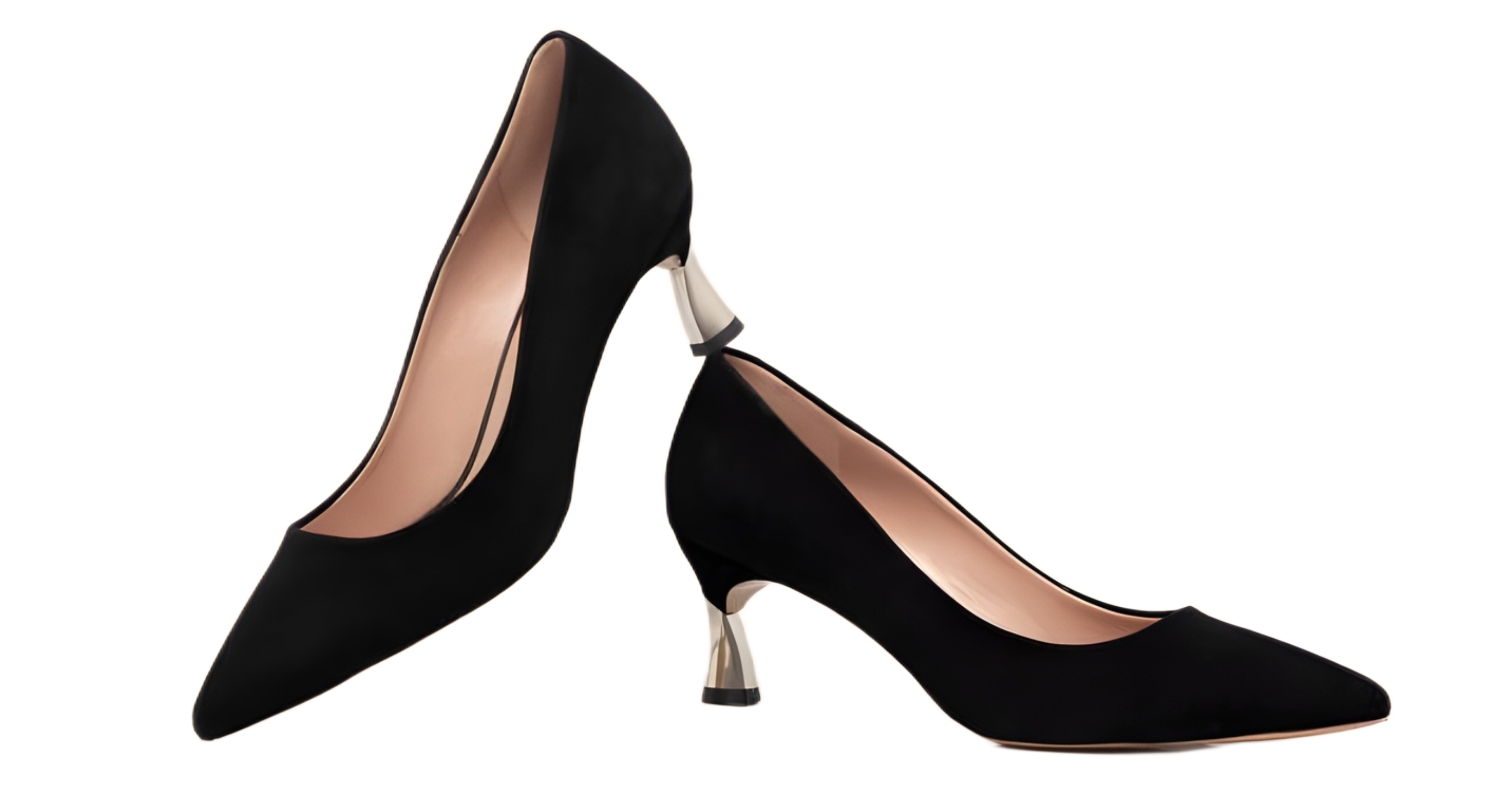
There are times when you open a wardrobe, look at a row of shoes and still feel like you have nothing to wear! If you’ve ever faced this, you’re not alone. When you buy more shoes, it’s a part of a common behavior, and it’s not just about fashion and trends.
This is something that’s deeply rooted in your psychology. You must understand why you make such choices, to make more intentional choices in the future. This helps you feel more satisfied with your purchases and you can still enjoy the excitement of adding something new to your overall collection.
So, in this blog, we’ll understand the psychology behind shoe shopping and how to strike the right balance between desire and practicality.
The Emotional Connection to Shoes
Shoes are not merely functional items; they have an immense emotional value attached to them. You may feel confident, refreshed, or even more prepared to take on any given day, with the right pair of shoes by your side.
Buying Shoes doesn’t mean that you’re simply purchasing a product. It’s more like you’re buying a feeling.
- Confidence for an important event
- Comfort for a busy day
- A sense of reward after a long week
With such an emotional connection, justifying any purchase becomes common and easy. Even at times when your purchases are not strictly necessary, you tend to justify them.
The “Just One More Pair” Mindset
Do you think that one more shoe will complete your collection before any purchase? This is a common problem that is faced by many. This is a psychological trigger, wherein, you might think:
- “I don’t have this color yet.”
- “This style could be useful someday.”
- “It’s on sale—I shouldn’t miss it.”
A sense of incompleteness drives such a mindset. Your brain convinces you that there’s one more gap to fill, even though you own similar pairs already. The feeling of completion tends to be temporary, which results in repeated purchasing cycles.
The Role of Trends and Social Influence
With fashion trends moving quickly, there’s no exception for shoes as well. Constant introduction of new styles has been noted, especially through social media, advertisements, and influencers as well. This easily makes you feel that your shoe collection is highly outdated.
You might face a subtle pressure of keeping up, when you see someone else wearing a pair of shoes that you don’t really own. This is a natural tendency, which is triggered by the urge to align with things that feel current and accepted.
when you constantly chase trends, it results in the following:
- Short-lived satisfaction
- Underused purchases
- A growing collection without clear purpose
The Dopamine Effect: Why Buying Feels Good
Dopamine is released when someone goes for shopping. This is a chemical in the brain that is associated with pleasure and reward, and makes buying shoes exciting, even before you actually wear a pair of shoes.
Nevertheless, you must understand that the anticipation of buying often feels just as rewarding as the purchase itself. Everything contributes to the sense of excitement, when you’re browsing collections, comparing styles, and imagining how a pair fits well on you.
So, what’s the downside here? It’s simple! Once the novelty fades, you again feel the urge to experience something similar. This often results in more purchases.
Scarcity and Urgency Tactics
A sense of urgency is created by limited-time offers, low-stock alerts, and even seasonal collections or drops. You’re more likely to act quickly, if you believe that something might not be available later.
This is a psychological trigger, which is known as the “Fear of Missing Out” or more commonly FOMO. This is something that triggers decisions based on emotions and not actual need. Such offers can be helpful, but they also result into:
- Impulse buying
- Overlooking practicality
- Regret after purchase
Identity and Self-Expression
A powerful form of self-expression, the styles of shoes that you choose tend to reflect your personality, lifestyle, and preferences as well. Some examples include:
- Minimal designs may reflect a preference for simplicity
- Bold styles may represent creativity or confidence
- Practical choices may align with an active lifestyle
Buying shoes tend to feel like building or reinforcing your identity, because of this particular reason. With this, you can easily justify multiple purchases. Each pair tends to represent a different version of yourself.
The “Future Use” Justification
You also tend to purchase more shoes for one common reason. The belief that these shoes will be useful for you in the future is one of the key drivers of such a buying behavior.
You might think:
- “This will be ideal for a trip someday.”
- “I might need this for a special occasion.”
- “It’s good to have options.”
Planning ahead is a practical option, but it has its own drawbacks. Your purchases remain unused for extended periods.
When More Isn’t Always Better
When you have a large collection, it doesn’t necessarily mean that you have better choices. You might end up with decision fatigue, if you have too many options available. This is a feeling of overwhelm, which generally takes over, when there’re too many options available.
This can result into the following:
- Wearing the same few pairs repeatedly
- Ignoring other items in your collection
- Feeling unsatisfied despite having many options
With a smaller and well-chosen collection, you can get more value and ease as well.
How to Shop Smarter Without Sacrificing Style
You don’t need to stop enjoying shoe shopping, just because you understand the psychology behind your choices. Instead, your focus should be on making more thoughtful decisions.
1. Identify Your Needs First
You must ask yourself what you actually need before you purchase anything. Do you need a replacement, an upgrade, or something entirely new?
2. Focus on Versatility
You must opt for shoes that can be worn across multiple outfits and occasions. You tend to increase their value and usability as well.
3. Set a Personal Limit
You must decide on the number of pairs that you’re comfortable owning or buying during any given period.
4. Pause Before Purchasing
Before making any decision, take as much time as you can. This can help in reducing impulse buying, as you make rational decisions.
5. Evaluate Comfort and Fit
If a shoe doesn’t feel good, when you wear it, it’s not the right choice. It doesn’t matter whether it looks good or not.
Building a Thoughtful Shoe Collection
A well-balanced collection of shoes doesn’t need to be large; it only needs to be truly intentional. You must consider including:
- Everyday casual shoes
- Comfortable options for long hours
- Occasion-specific pairs
- Seasonal styles
Your focus must be on purpose and not quality. This can help in creating a collection that truly supports your lifestyle and aligns with your overall needs.
The Joy of Intentional Buying
You tend to feel more satisfied, when you have a smaller shoe collection, which is intentional and more suitable. Such a shoe collection is made up of shoes, where every pair serves a specific purpose or goal. You’re more likely to use and appreciate such a collection.
With intentional buying, you can:
- Reduce clutter
- Make more confident choices
- Enjoy each purchase more fully
The focus totally shifts from quantity to quality and usability instead.
Final Thoughts
A mix of emotions, psychology, and external influences tend to shape your urge to buy more shoes that you need. There are patterns that don’t always serve you, and it’s easy to fall for such patterns. You might be influenced by the excitement of a new purchase or even the pressure of keeping up with trends.
However, if you understand these triggers, you will end up making better overall decisions. You don’t have to give up on the enjoyment and pleasure you feel. Instead, you must just align your choices with your real needs and preferences.