
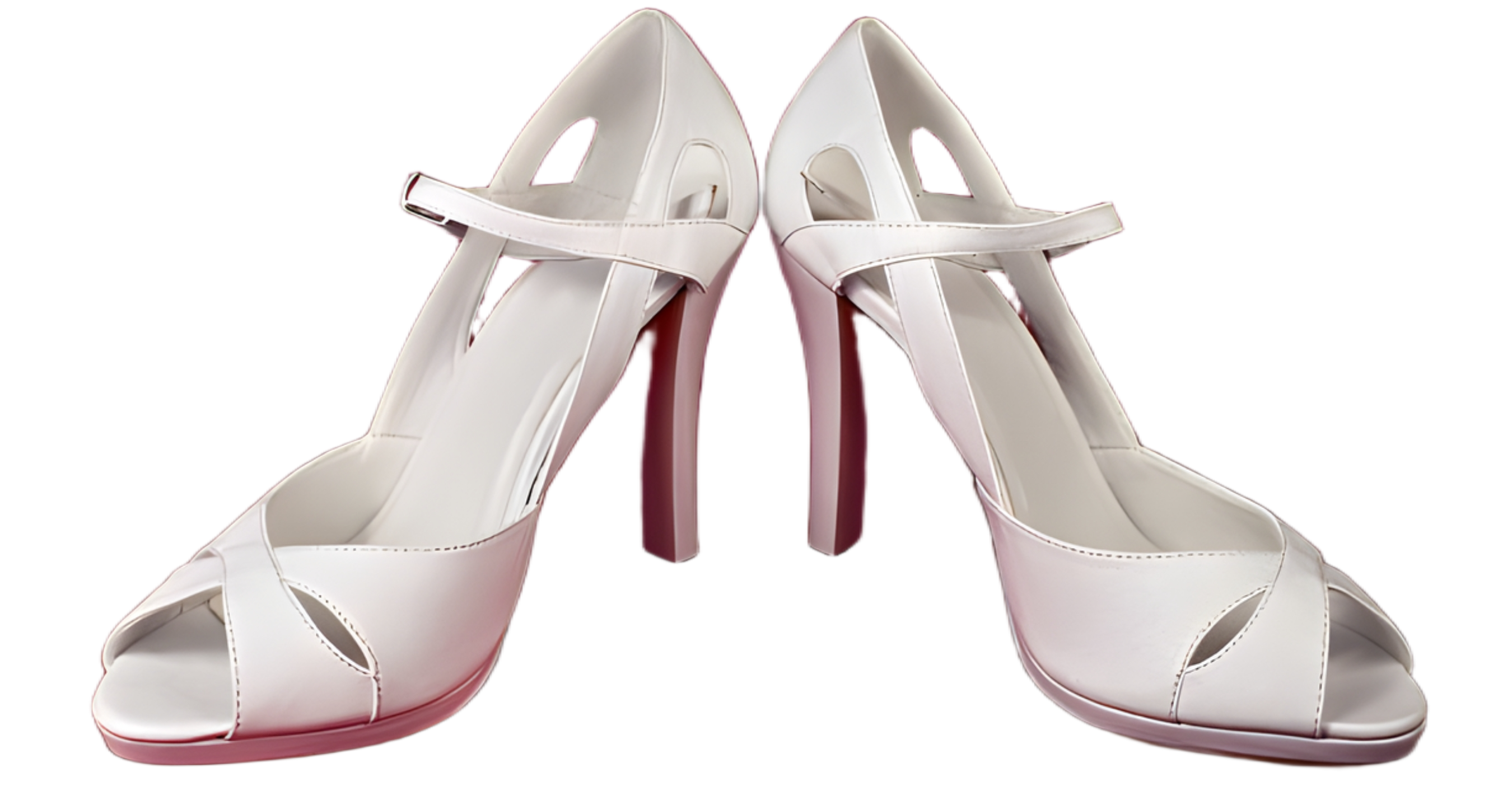
New styles appear daily in today’s world. This makes it easy to believe that if you own more shoes, it equals to better style. Nevertheless, the reality is something different. Smaller shoes that are thoughtfully chosen can help you unlock far more versatility, than an overflowing wardrobe.
Your fashion choices aren’t limited if you own fewer shoes. Rather, you’re challenged to be more creative, intentional, and confident, with what you already have. You must shift your focus from quantity to styling to make every pair and opportunity to experiment, express, and refine your personal look.
In this guide, you’ll discover how to embrace the art of owning fewer shoes while styling them in fresh, creative ways that keep your outfits feeling new every time.
Why Less Can Actually Be More
Your daily routine is simplified by a smaller shoe collection, as it also sharpens your sense of style.
Clarity Over Clutter
When you have fewer options, decision-making becomes easier. You spend less time choosing and more time enjoying your outfit.
Better Utilization
Instead of letting shoes sit unused, you wear each pair more often, making your collection more practical.
Stronger Personal Style
A curated selection reflects your preferences more clearly, helping you develop a consistent and recognizable look.
Start with a Versatile Foundation
Creative styling begins with choosing the right core shoes.
What to Look For
- Neutral tones that pair easily with different outfits
- Clean, timeless designs
- Comfortable construction for frequent use
Essential Types to Consider
- Minimal sneakers for everyday wear
- Smart-casual shoes for flexible styling
- A polished pair for formal or refined looks
These foundational pieces act as a blank canvas for creativity. You can experiment with any kind of style, which can be beneficial for your overall wardrobe. Try new styles and ensure better outcomes altogether.
Change the Context, Not the Shoes
One of the easiest ways to create new looks is by changing the outfit around your shoes. Your outfits can be a defining feature, which can help in ensuring better visual interest and attractiveness as well.
Example Approach
- Pair sneakers with casual wear one day
- Style the same sneakers with structured clothing the next
By shifting the context, the same pair can feel completely different.
Play with Color Combinations
Even neutral shoes can look new when paired with different color palettes. This helps you come up with creative ideas, which can help in ensuring better outcomes.
Creative Ideas
- Combine light tones for a soft, balanced look
- Use contrast to make your shoes stand out
- Coordinate subtle accents with your footwear
Color variation keeps your outfits visually interesting without needing more shoes.
Experiment with Layers and Textures
Your clothing choices can dramatically change how your shoes are perceived.
Layering Techniques
- Add jackets, overshirts, or scarves to shift the overall vibe
- Mix textures like denim, cotton, or knitwear
Why It Works
Different textures and layers create depth, making the same shoes feel fresh in every outfit.
Use Accessories to Transform the Look
Accessories can redefine your outfit without changing your shoes.
Simple Additions
- Belts, bags, or watches
- Minimal jewelry
- Seasonal accessories like hats or scarves
When styled thoughtfully, these elements complement your shoes and enhance your overall look.
Adjust for Different Occasions
A single pair of shoes can work across multiple settings with the right styling.
Casual Settings
Keep the outfit relaxed and comfortable.
Work or Smart-Casual
Pair the same shoes with structured clothing for a polished appearance.
Evening or Social Events
Refine your outfit with cleaner lines and subtle details.
This adaptability reduces the need for multiple pairs.
Focus on Proportions and Fit
The way your clothes fit can change how your shoes look.
Styling Tips
- Pair slim-fit clothing with sleek shoes
- Balance bulkier shoes with structured outfits
- Ensure your overall silhouette feels cohesive
Proper proportions create harmony, making your shoes blend seamlessly into your outfit.
Rotate and Rediscover
Even with fewer shoes, rotation keeps your style feeling fresh.
How to Do It
- Alternate between your core pairs
- Revisit combinations you haven’t worn in a while
- Experiment with new outfit pairings
Sometimes, creativity comes from rediscovering what you already own.
Avoid the “Same Outfit” Trap
Wearing the same shoes repeatedly doesn’t mean repeating the same outfit.
Break the Pattern
- Change one key element, color, layer, or accessory
- Try unexpected combinations
- Step slightly outside your usual style choices
Small changes can make a big difference.
Maintain Your Shoes for Longevity
If you’re wearing fewer shoes more often, maintenance becomes essential.
Upkeep Tips
- Clean regularly to keep them looking fresh
- Store properly to maintain shape
- Rotate usage to prevent excessive wear
Well-maintained shoes continue to look stylish over time.
Common Mistakes to Avoid
Overthinking Your Outfits
Creativity should feel natural, not forced. Keep things simple and build gradually.
Ignoring Comfort
Shoes you wear often should feel good throughout the day.
Holding Onto Unused Pairs
If a pair doesn’t fit your lifestyle, it may be better to let it go.
Following Trends Too Closely
Focus on what works for you rather than constantly chasing new styles.
Building Confidence in Your Style
Wearing fewer shoes creatively requires confidence. When you feel comfortable with your choices, your style becomes more authentic.
How to Build Confidence
- Trust your instincts
- Embrace experimentation
- Focus on what feels right for your lifestyle
Confidence turns simple outfits into memorable ones.
The Long-Term Benefits of Creative Simplicity
Choosing to own fewer shoes while styling them creatively offers lasting advantages.
- A more organized wardrobe
- Reduced unnecessary spending
- Greater appreciation for what you own
- A stronger, more defined personal style
This approach shifts your mindset from constant consumption to thoughtful styling.
Reinventing Everyday Outfits with the Same Pair
One of the easiest ways to make fewer shoes feel like more is by reinventing your everyday outfits. Instead of changing your footwear, shift your focus to how you style the rest of your look.
A single pair can move effortlessly between casual and refined depending on what you wear with it. For instance, pairing the same shoes with relaxed clothing one day and more structured pieces the next creates a completely different impression.
This approach allows you to maximize versatility without expanding your collection, making your style feel fresh while staying practical.
Using Small Details to Create Big Differences
Often, it’s the smallest details that make the biggest impact. Subtle changes like adjusting your color combinations, adding layers, or incorporating simple accessories can transform how your shoes fit into an outfit.
Even something as minor as cuffing your trousers or switching fabrics can shift the overall look. These details help create variety without requiring new purchases.
Over time, you begin to see your shoes not as fixed pieces, but as flexible elements that adapt to your styling choices. This mindset encourages creativity while keeping your collection simple and intentional.
Final Thoughts
Owning fewer shoes doesn’t mean limiting your style, it means unlocking new ways to express it. By focusing on versatility, experimenting with combinations, and paying attention to detail, you can create a wide range of looks with just a handful of pairs.
The true art lies not in how many shoes you own, but in how you wear them. When each pair becomes a foundation for creativity, your wardrobe feels more dynamic, intentional, and uniquely yours.
So instead of chasing more, start exploring more, with the shoes you already have.